The KUBE
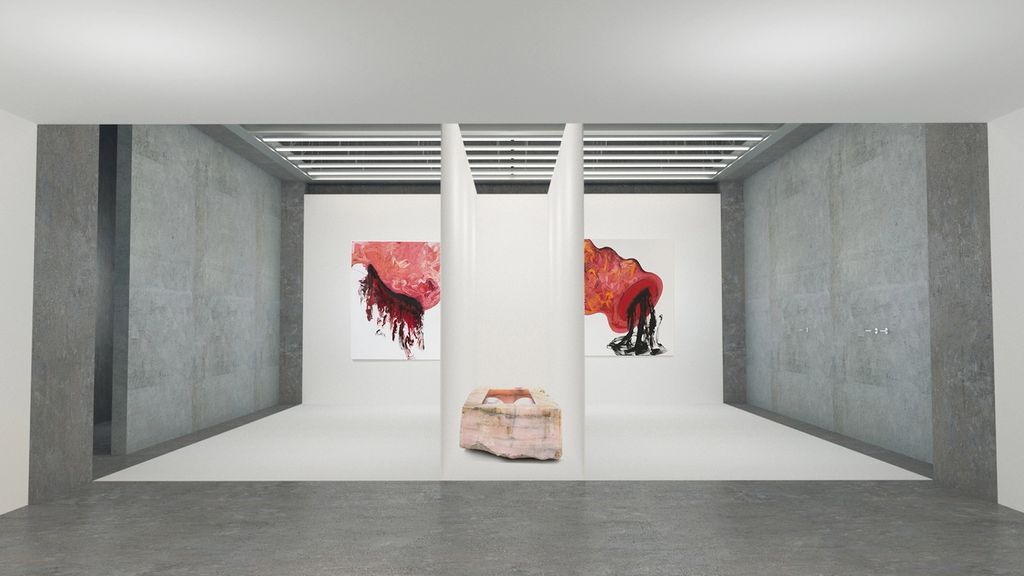
Date: September 2020 Location: Tokyo, Japan Area: 105m2 Function: Art gallery Status: Proposal Client: SCAI THE BATHHOUSE
This proposal was developed for an invited competition organised by SCAI THE BATHHOUSE, a gallery based in Ueno, Tokyo, for the design of a new gallery space. In the context of the COVID-19 pandemic, as society rapidly accelerated towards digitalisation, the experience of viewing art has increasingly shifted into virtual and metaverse environments. Within this changing landscape, the project questions the continued relevance of the gallery as a white cube. The proposal begins by reconsidering the role of the white cube. With the rise of virtual modes of viewing, its meaning is no longer defined solely as a neutral container, but as a space capable of expressing scale and physical presence. A typology that remained largely unchanged for nearly a century is now undergoing a conceptual transformation. In response, the project proposes embedding a contemporary interpretation of the white cube within the Pyramid Building in Roppongi, addressing the evolving relationship between physical and virtual exhibition spaces.
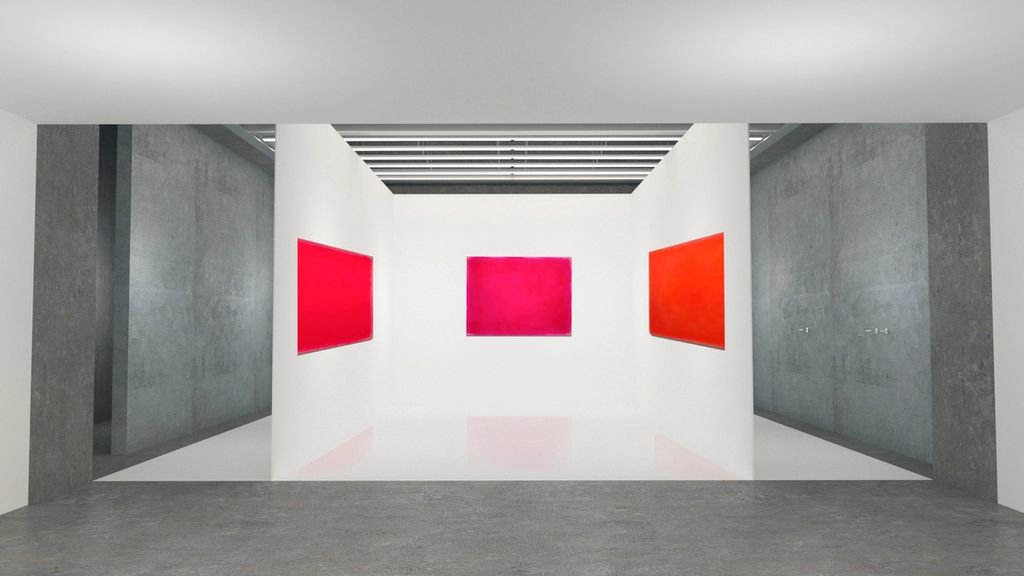
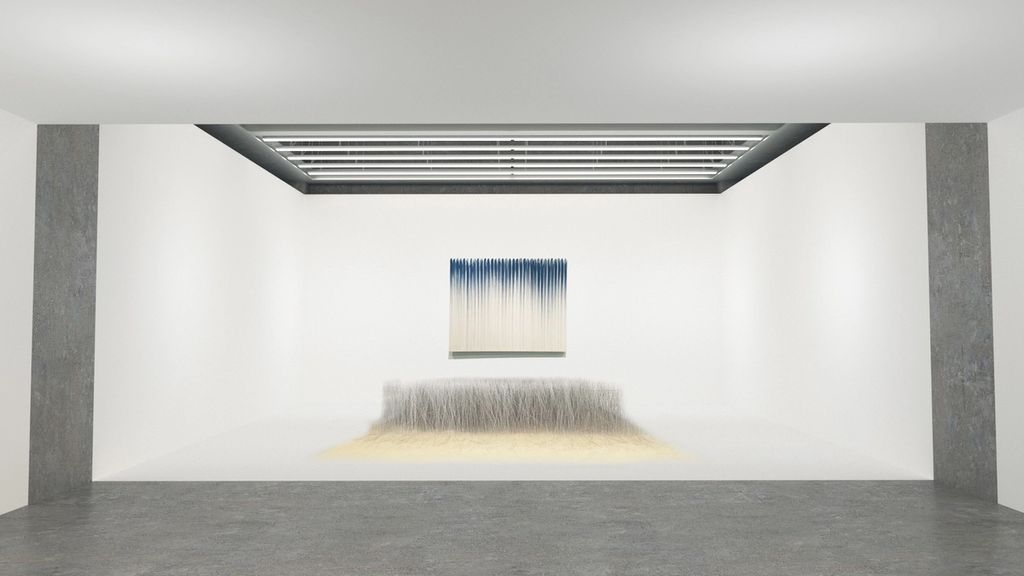
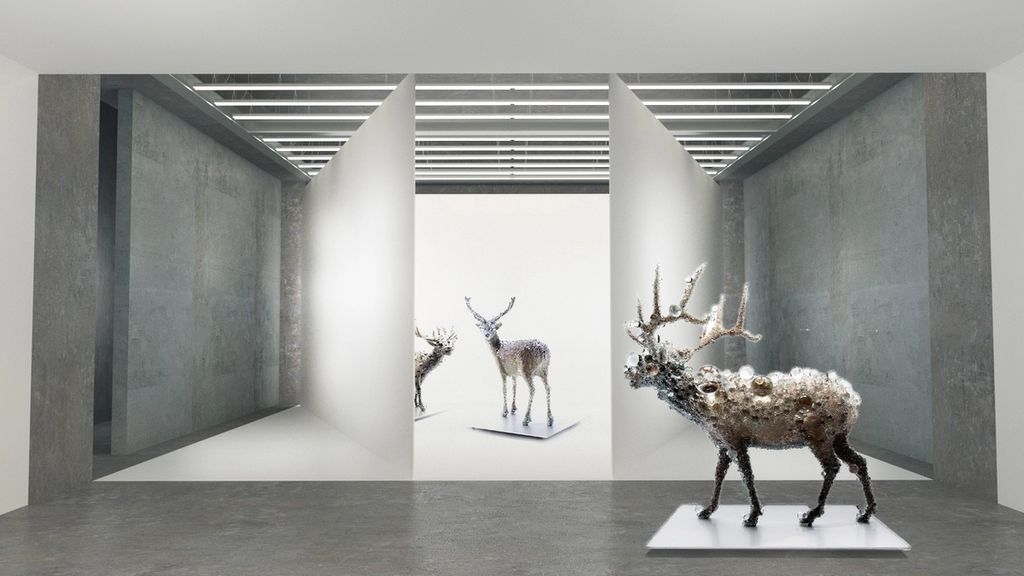
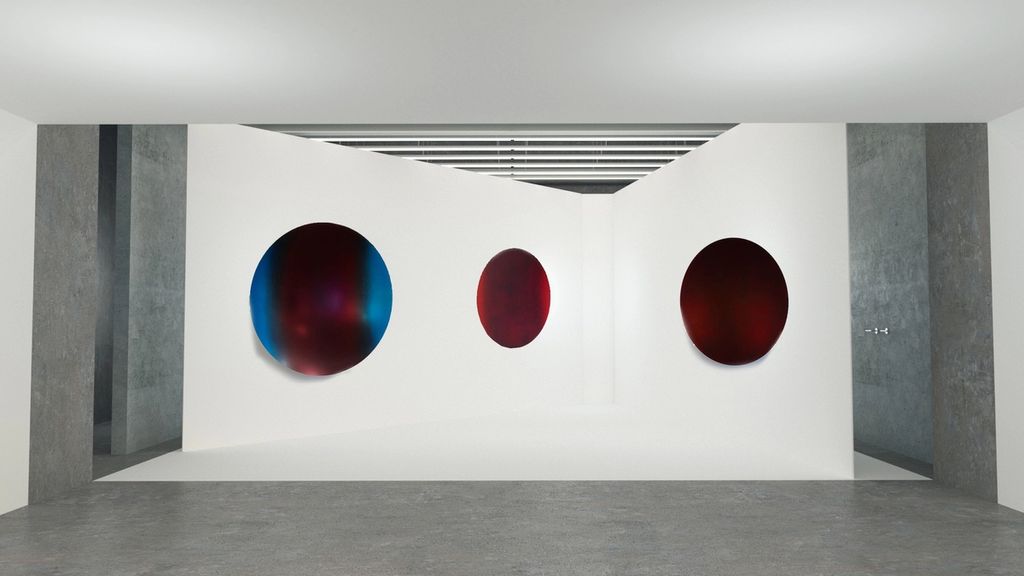
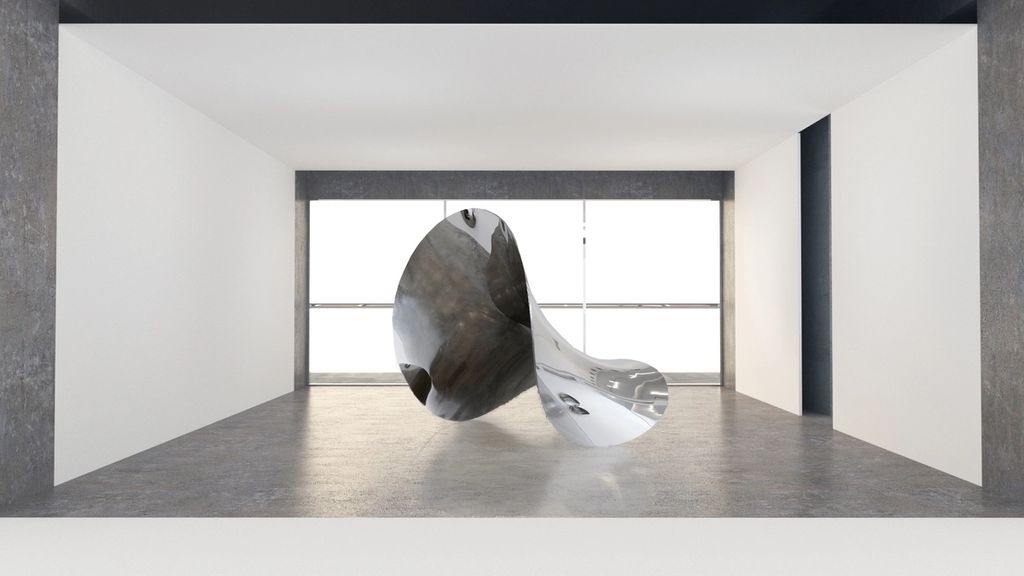
“The KUBE” The KUBE: The White Cube and Virtual Reality. On the Meaning of Scale in the Gallery. The white cube is a conceptual space. Its foundation lies in the abstraction of all concrete elements that constitute space. Within this neutral void, where physical qualities are suppressed, the artwork stands as the sole concrete presence. It is through this condition that the viewer is able to engage in a conceptual dialogue with the work. At the same time, a new mode of viewing has emerged in the form of virtual space. Enabled by developments in virtual reality, this form of experience overcomes the inherent limitations of the traditional white cube, namely scale and gravity. A virtual space, infinite and without physical substance, may be understood as the ultimate realisation of what the white cube has long aspired to be. By contrast, the physical white cube inevitably contains what cannot be abstracted: scale and gravity. These are intrinsic to any built form. Within a space that seeks total abstraction, such conditions might be considered imperfections. Yet it is precisely this incompleteness that gives the physical white cube its renewed relevance. To “have” a white cube now implies a deliberate acceptance of scale and gravity. Its role is no longer to eliminate these conditions, but to assign them to the artwork. The question then becomes: what function should the gallery fulfil today? Gravity cannot be controlled. It is an unavoidable principle of physical existence. For this reason, the project focuses instead on scale as a spatial theme. The gallery is conceived as a framework that grants curators the freedom to define and manipulate scale in relation to each exhibition. A virtual cubic unit is first established as the fundamental measure of the space, derived from the dimensions of the existing building: W × D × H = 5740 × 5740 × 5740 mm. This cube defines both the constraint and the unit of the gallery. To accommodate it within the given structure, it is divided into two equal parts, resulting in two half-cubes of 5740 × 5740 × 2870 mm. These two volumes form the exhibition spaces. Each is designed to be adjustable independently: one in height, the other in plan. This allows the gallery to adapt its spatial dimensions according to the needs of each artwork, giving curators control over the scale of presentation. Supporting functions such as offices and salons are placed outside the white cube, preserving the clarity of the exhibition space. Ultimately, the project proposes that in the age of virtual reality, the significance of the white cube lies in its capacity to produce and articulate scale. A typology that has remained largely unchanged for nearly a century is now undergoing a conceptual shift. As designers, the project seeks to engage directly with this transformation, and to contribute to the formation of a new spatial condition for the gallery.