IZUMI Allerød
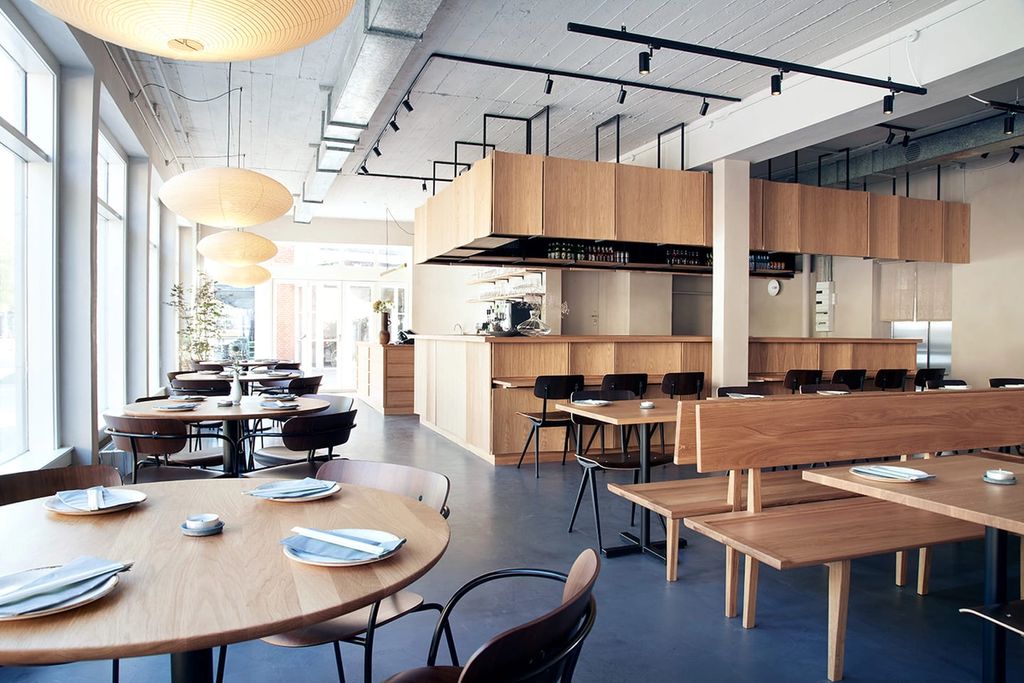
Date: June 2018 Location: Copenhagen, Denmark Area: 170m2 Function: Restaurant Status: Built Collaborator: mok architects, Helene Christina Pedersen (Wall artwork) Client: IZUMI Aps
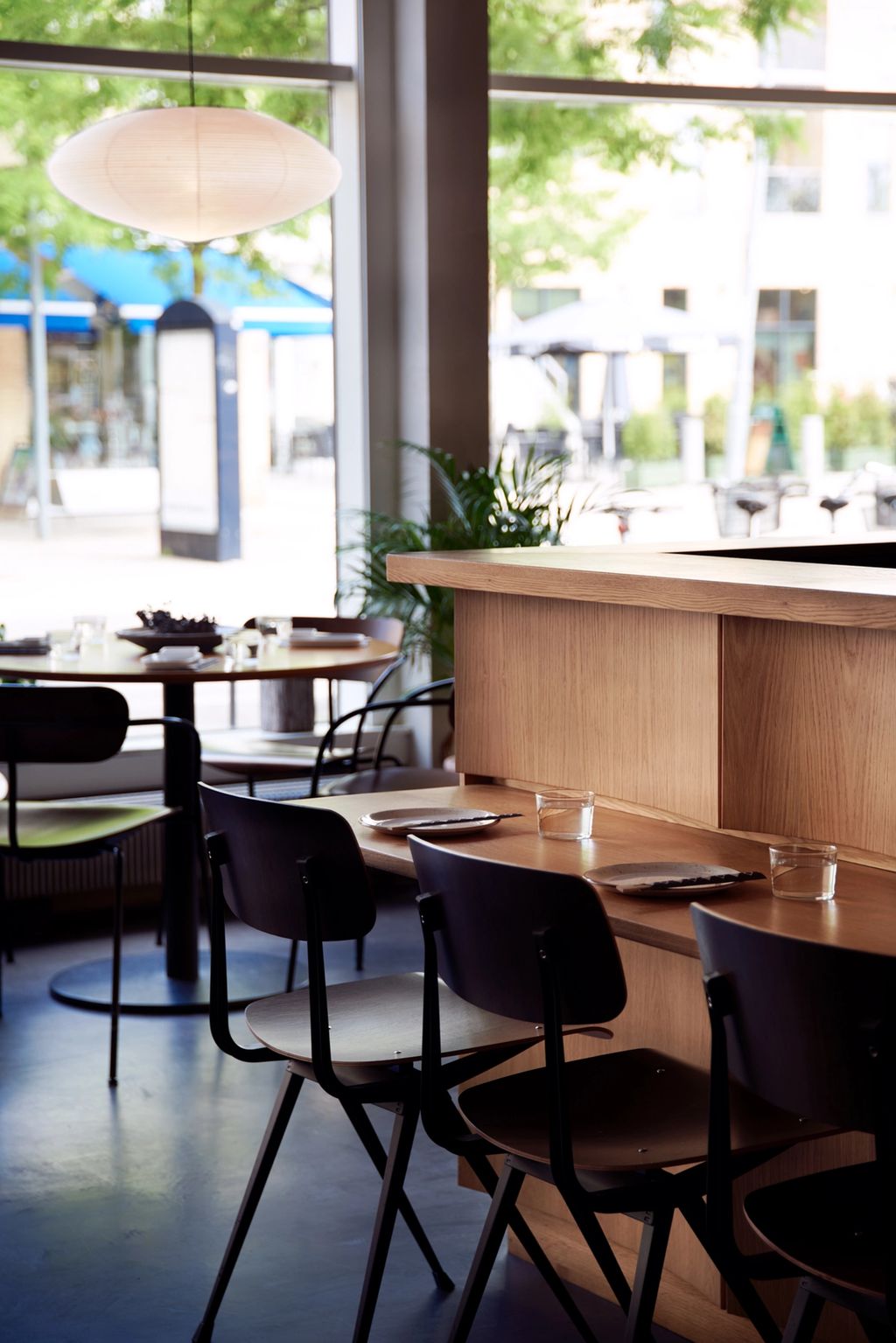
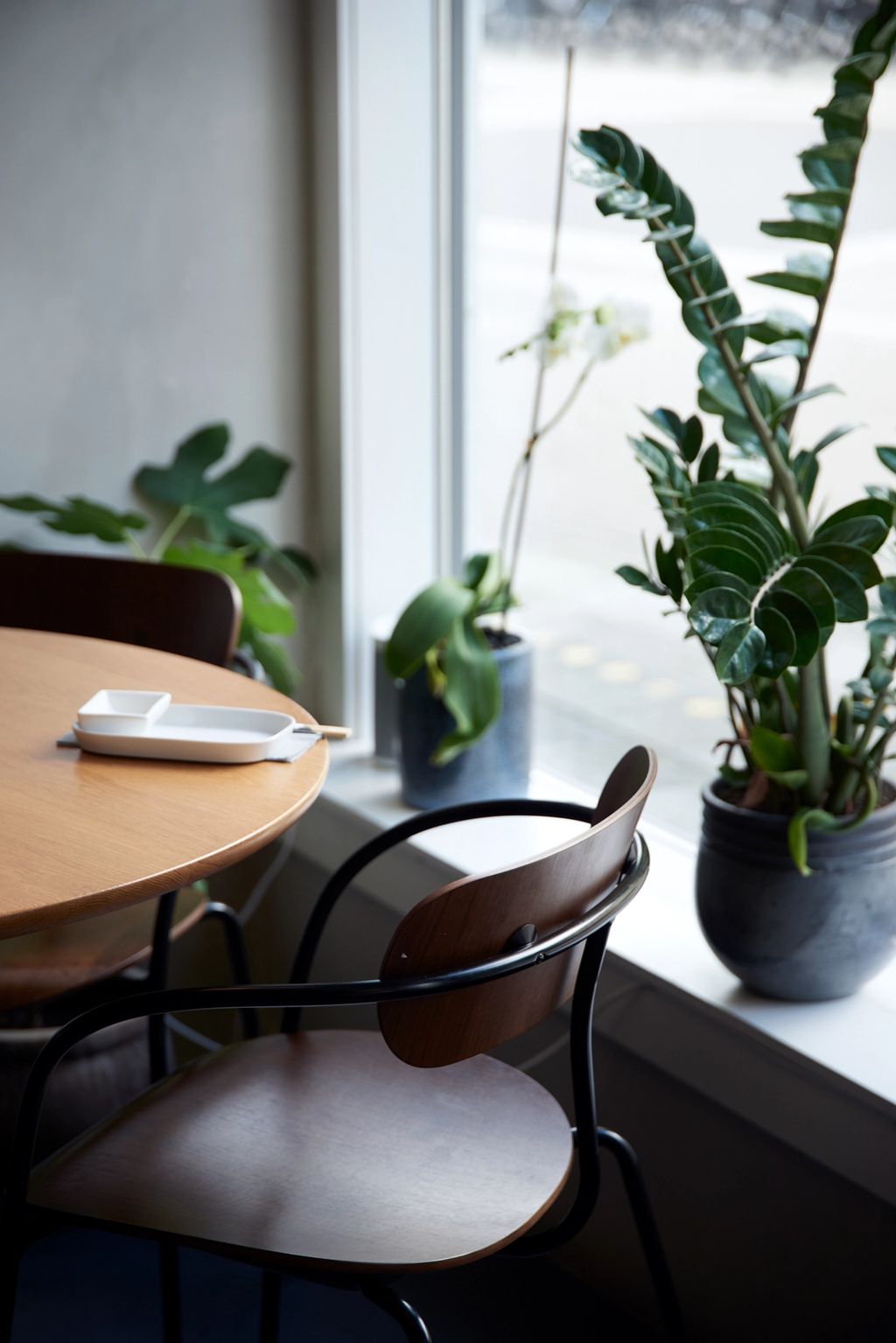
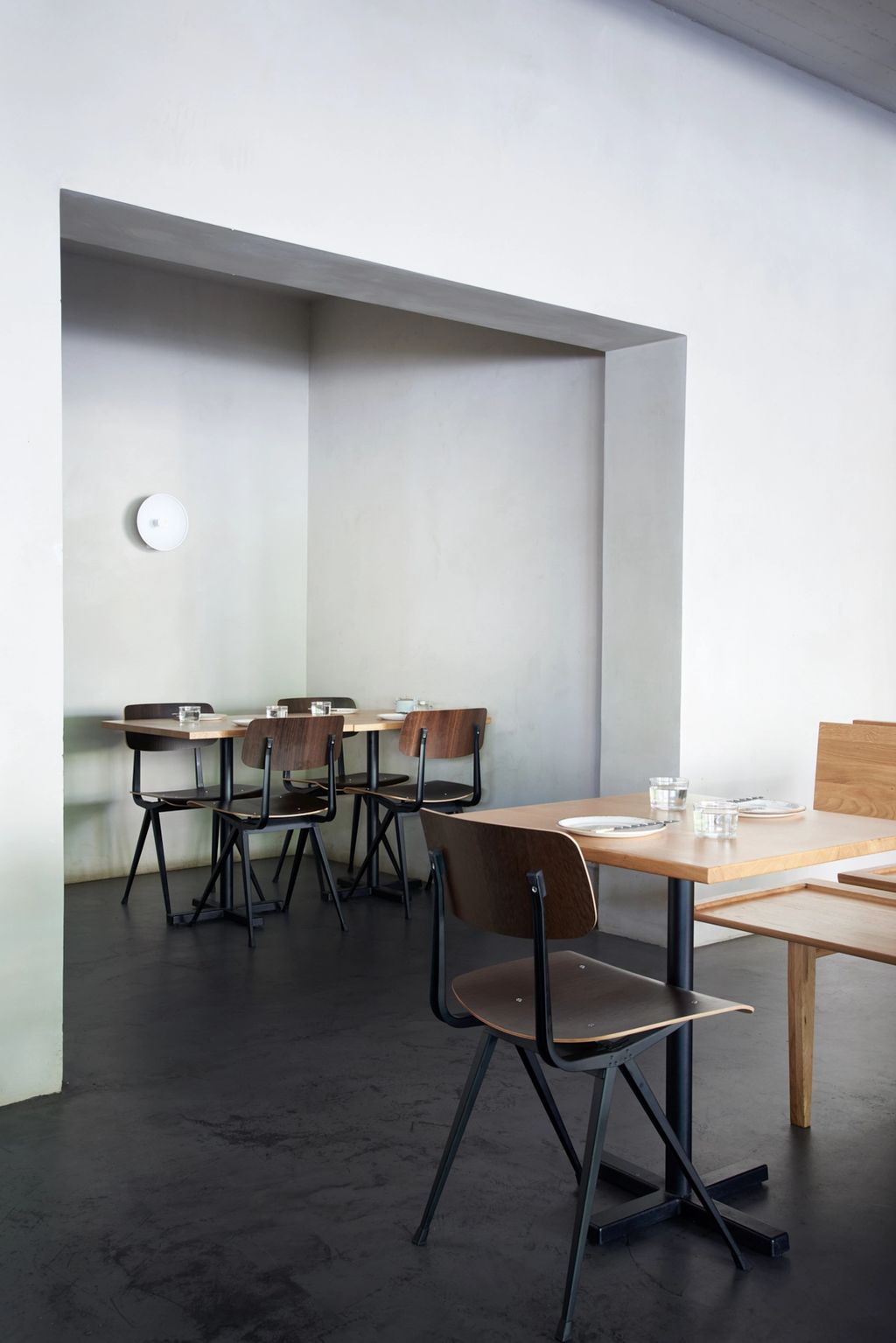
IZUMI Allerød is an interior renovation project for a restaurant located in the suburbs of Copenhagen. IZUMI is a restaurant group serving “Nordic-twisted” Japanese cuisine, with several locations across Greater Copenhagen. As part of a broader rebranding, the project was commissioned to develop a spatial identity that expresses the concept of the brand. The design translates IZUMI’s manifesto into a spatial experience, articulating a “Nordic-twisted” Japanese culture through the interior environment.
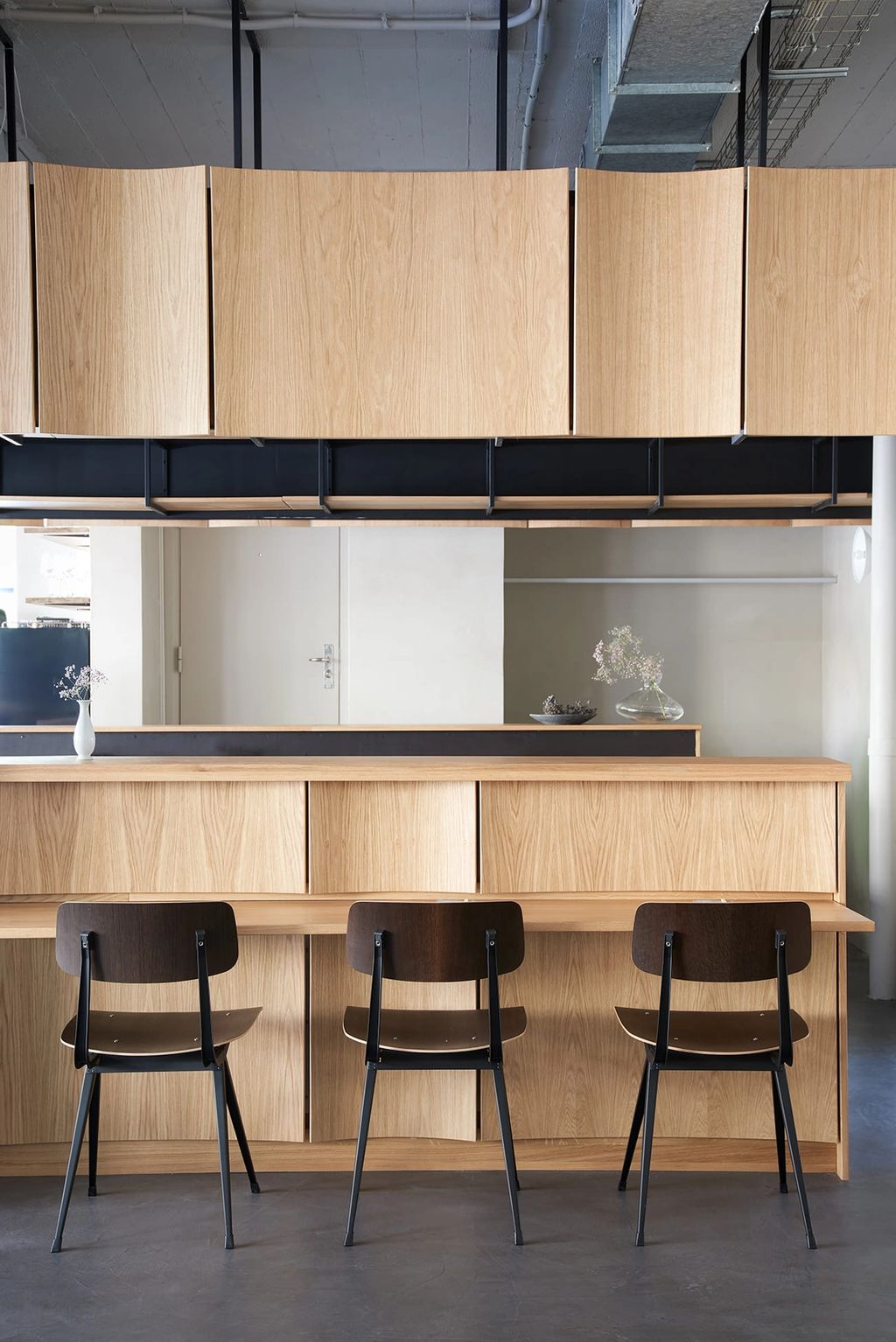
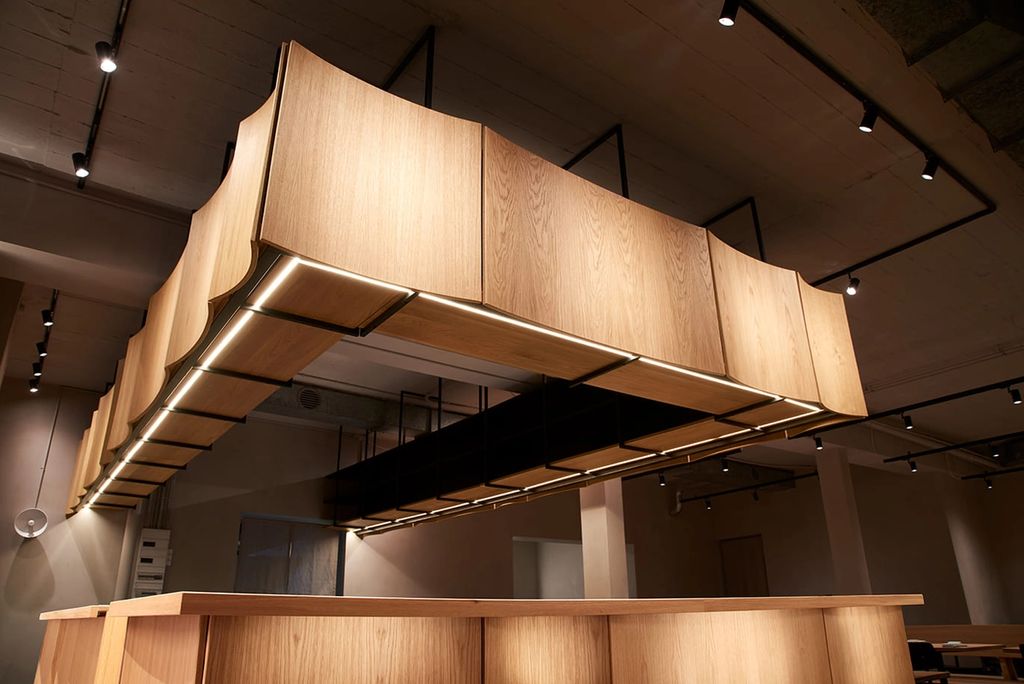
Japan and the Nordic region share a long history of cultural exchange, particularly within design. Many Nordic design traditions draw from Japanese principles, while evolving into distinct expressions shaped by their own context. The project builds on this shared lineage, identifying it as a foundation for articulating IZUMI’s identity. This approach also reflects the studio’s position, led by Japanese architects working within a Scandinavian environment. The design strategy brings Japanese spatial principles into dialogue with Nordic material and craft traditions. Rather than assembling references, the project works through their underlying logics to form a coherent spatial language. Japanese spatial order is introduced within a Scandinavian context, while Nordic elements influenced by Japanese design are reinterpreted. At the centre of the space, curved timber panels define the show kitchen as a focal element. Their modular system is derived from traditional Japanese dimensional frameworks, echoing the proportions of tatami-based planning. The material, however, is Scandinavian oak, widely used in Nordic craftsmanship. The panels are gently curved, drawing from techniques associated with steam-bent furniture. Through these operations, the interior develops a balanced relationship between the two cultures. The space expresses this connection through proportion, material, and form, creating a unified environment rather than a combination of separate references. The project aims to establish a renewed mode of interaction between Japan and Scandinavia, grounded in careful observation and articulated through a restrained architectural language.