Incremental Fields

Date: April 2025 Location: Tokyo, Japan Area: 1,500m2 (total floor area) Function: Memorial Museum/Cafe/Garden Status: Competition - 2nd place Client: Confidential Landscape Design: Oryza.Inc Structural Engineer: ARSTR
Incremental Fields was developed for an invited competition to renew a historic garden site in central Tokyo, a rare enclave where a centuries-old villa and pond have been preserved across generations. The brief called for three new buildings, a museum, a members’ house, and a café, that would extend the legacy of the estate while opening it to the public. The proposal approaches architecture as a continuation of time rather than a replacement of what exists. A bridge is introduced as the primary intervention, extending from the historic villa and accommodating the museum within its span. This structure reorganises the site into three interconnected gardens, establishing a new spatial framework while maintaining the existing landscape. By lifting the building above the ground, the bridge preserves the surface for vegetation and water to remain continuous. The architecture operates as a light intervention, connecting past and future through a sequence of landscapes, where memory and growth are allowed to coexist. The proposal was awarded 2nd Prize among the invited entries.
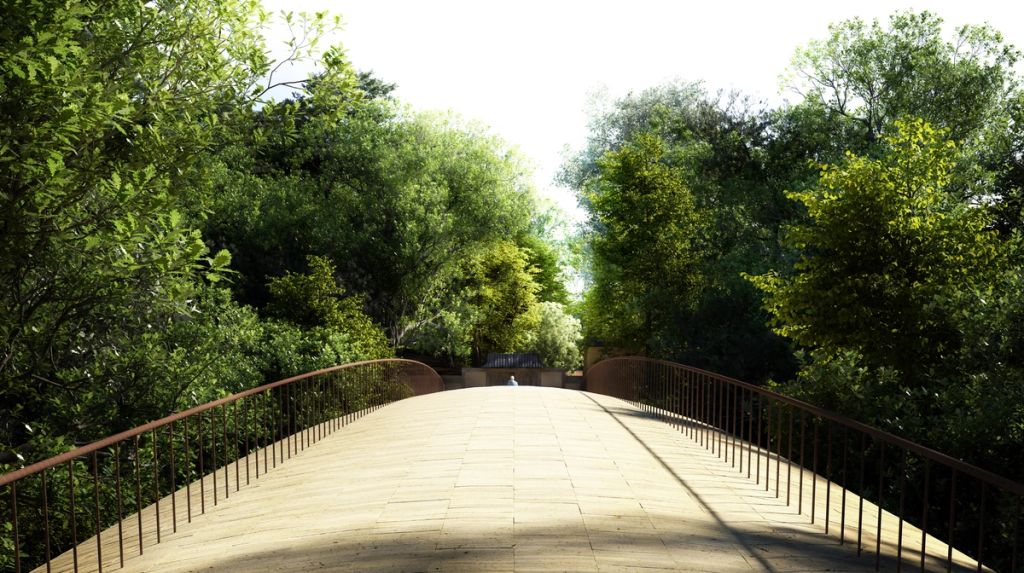
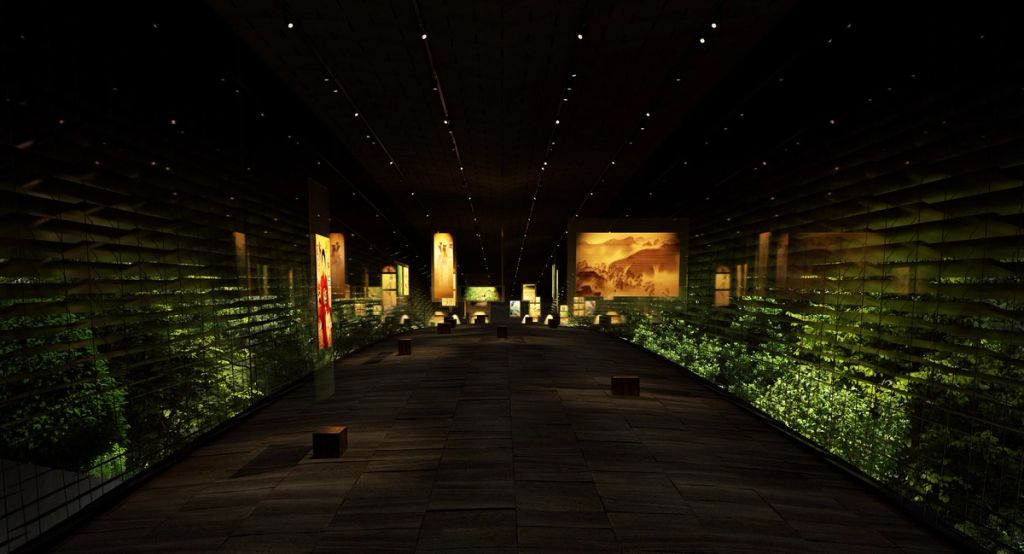
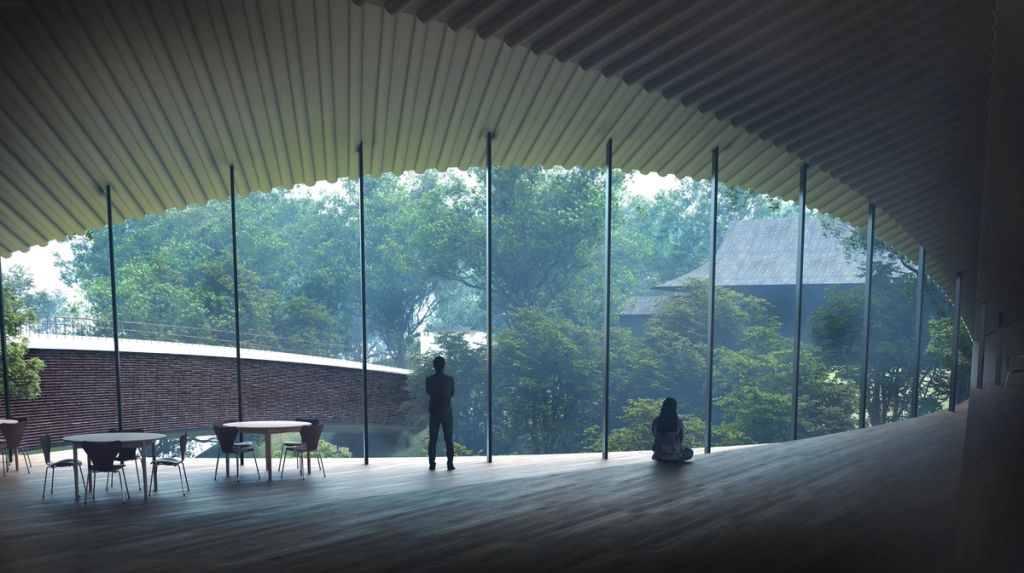
Our proposal takes the form of a bridge extended from the historic villa. The bridge introduces a new sectional zoning with three gardens while accommodating the Memorial Museum in itself. The former site of the museum will be overtaken by a new garden of inspirations, a field for new generations to take over, to add another layer of time. The site has been developed over time since the 1600s. The essence of the place is in its incremental character: time, story and gardens, a growing place - Incremental Fields. Our response to the brief is to see the project as an extension of its time rather than the construction of a new identity. It introduces a connection among the past, present, and future rather than a naïve discontinuity between the new and the old. The new zoning allows sectional divisions, creating a complex mixture of public and private realms. The bridge floats above the pond, directly connecting the villa and the new garden. The exhibition space resides between the two slabs, drawing slight curves in the air. The louvre blocks direct sunlight while allowing the reflective light coming from the garden below to lighten the space naturally. The bridge ends on the other side of the pond, visitors walk on the top on their way back with the views. The floating museum saves space at the entrance for gardens to grow. The garden is designed to accommodate today’s activities and become a vessel for future extension - a field to be taken over by the next generation - at the time of the next expansion. One of the three proposed buildings was intentionally left for another architect to design. We believe that a site formed through multiple layers of time should remain open to many voices. The beliefs in diversity and coexistence are the essence of the place. History constitutes the foundation of the next generation. Cradled by the past, the new generation adds another page of stories, the time increment in the fields.